






Master of Science in Sustainable Logistics Solutions
Early bird offer until: 12. Jan 2027
Original price was: 14.985,00 €.13.985,00 €Current price is: 13.985,00 €.
We require an application for this program. Please fill out the form below. After we have checked the application, we will then make the booking for you.

Application form
Benefits
- Practice-oriented and well-connected: Benefit from exciting industry projects, hands-on collaborations, and direct insights into current research, allowing you to apply your knowledge in practice and gain valuable professional experience.
- Enjoy studying at one of Germany’s most prestigious universities, ideally located in the vibrant Rhine-Ruhr region, one of Europe’s leading economic hubs.
- Cutting-edge and up-to-date: The program is based on the latest research and integrates current developments in logistics, mobility, AI, and sustainable system innovation.
- Globally focused: With targeted leadership training and intercultural skills, you will be fully prepared for a career in an international environment and equipped to tackle global challenges successfully.
- Diverse career opportunities: The combination of technical, analytical, and business skills opens diverse career paths in logistics, mobility, consulting, and technology-driven industries.
- Actively shape the future: Gain the expertise to drive the transformation toward sustainable, data-driven logistics and mobility systems.
- Improve your language skills through intensive exchanges and practical course content.
- Learn in a multicultural environment: Work alongside students from around the world and benefit from the cultural diversity and international perspectives of your peers
Advice & contact
Lecturers
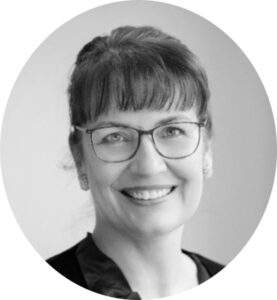
Prof. Dr. Ellen Enkel
Prof. Dr. Ellen Enkel is Professor of General Business Administration and Mobility at the University of Duisburg-Essen and an internationally recognized expert in innovation, mobility, and open and collaborative business models. She also serves as chair of the BMBF research cluster jury and spokesperson of the MOTION Institute, bridging research, industry, and policy in the field of sustainable transformation.